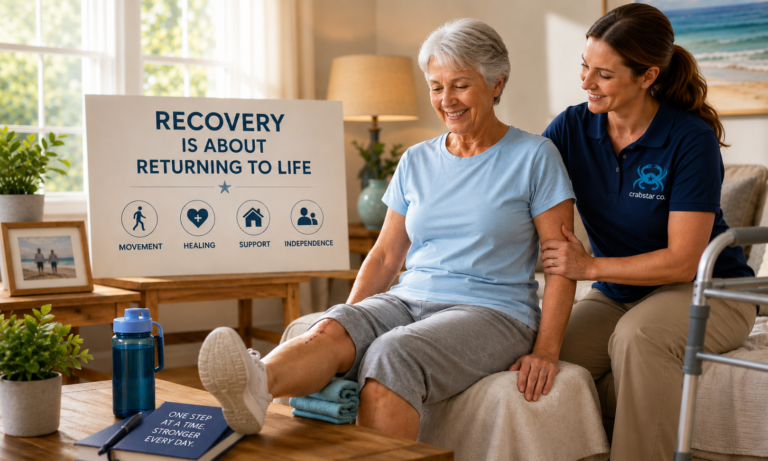
Post Operative Care After Surgery Palo Alto: What Happens After You Leave the Hospital?


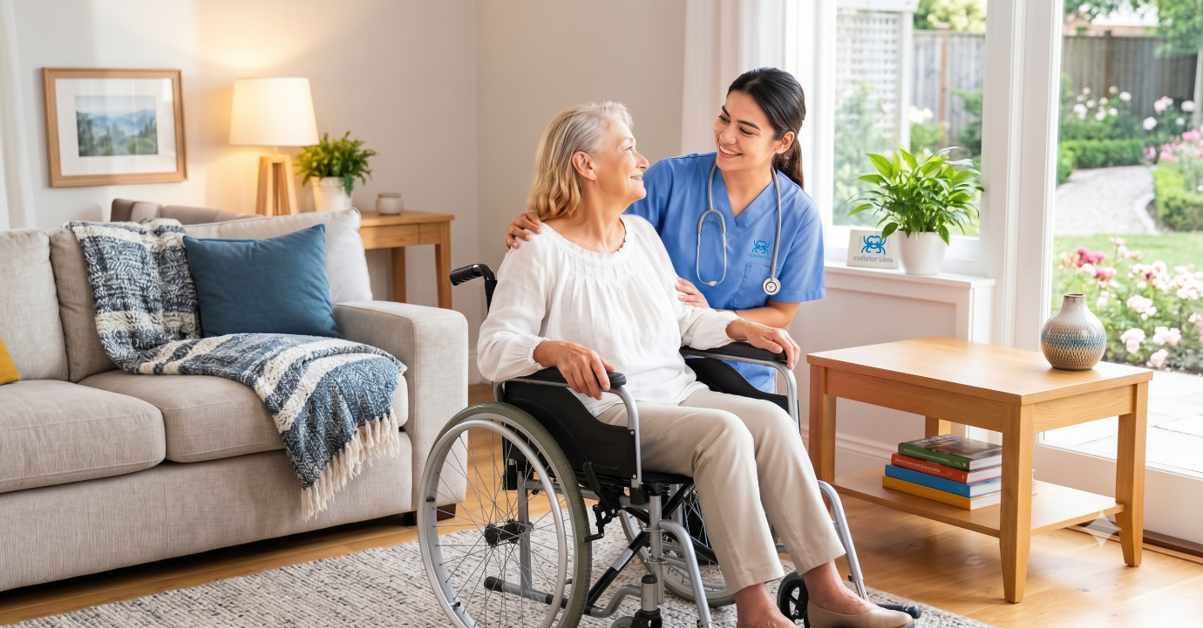
Hospitals are designed to treat you, stabilize you, and prepare you to continue recovery at home. But once you walk through your front door, the responsibility of managing everyday life can suddenly feel much bigger. You may still be sore, tired, unsteady, or unsure about what you should and should not do. Recovery does not end when your hospital stay does. In many ways, the real adjustment begins at home.
This is where Post Operative Care After Surgery Palo Alto becomes an important part of the recovery experience. From getting around the house to preparing meals, remembering medications, and simply having someone nearby, the right support can make those first days and weeks feel far less overwhelming.
At Crabstar Care, Joanna provides personal, one-on-one assistance designed around your everyday needs. Her approach is simple: make recovery more comfortable, practical, and human while helping you maintain as much independence as possible.
Table of Contents
- Why Does At-Home Recovery Require More Support Than Expected?
- What Challenges Can You Face After Returning Home?
- Who Can Benefit From Additional Post-Surgery Support?
- What Makes Crabstar Care Different?
- What Can Joanna Help You With During Recovery?
- How Can You Tell When You Need Extra Help?
- Frequently Asked Questions
- Conclusion: Recovery Should Not Feel Like a Solo Project
Why Does At-Home Recovery Require More Support Than Expected?
Surgery may correct the underlying medical problem, but your body still needs time to regain strength, balance, mobility, and confidence. Even routine activities can suddenly require more effort. Getting dressed, preparing breakfast, walking to the bathroom, or climbing a few stairs may feel completely different than they did before surgery.
Your healthcare provider will give you instructions for recovery, but following those instructions while managing a household can be challenging. Proper support can help you stay organized, follow your recommended routine, and avoid putting unnecessary strain on your body. It is not about doing everything for you. It is about giving you the breathing room to focus on healing.
What Challenges Can You Face After Returning Home?
The first few days at home can bring a mix of relief and frustration. You are happy to leave the hospital, but you may quickly realize that your normal routine is not so normal anymore. Pain, fatigue, limited movement, and medication schedules can make even simple decisions feel like hard work.
There is also the emotional side of recovery. You may worry about falling, moving incorrectly, or taking longer than expected to heal. If you live alone, those concerns can feel even heavier. Having a dependable person nearby can provide practical assistance and reassurance when you need it most.
Small things matter. A prepared meal, a clear walkway, a reminder about medication, or a friendly conversation can make a difficult afternoon feel much easier.
Who Can Benefit From Additional Post-Surgery Support?
Not everyone needs the same level of assistance after surgery. Your needs can depend on the type of procedure, your mobility, your home environment, and the amount of help available from family or friends.
Additional support may be useful if:
- You live alone or spend much of the day alone.
- You have difficulty walking or completing routine tasks.
- You need help preparing meals or maintaining your home.
- You have several appointments or errands to manage.
- You need reminders to follow your prescribed medication schedule.
- Your family wants to help but cannot be available throughout the day.
People recovering from orthopedic procedures, joint replacement, abdominal surgery, or other major procedures may particularly benefit from dependable assistance during the early stages of recovery.
What Makes Crabstar Care Different?
Crabstar Care takes a personal approach rather than treating home care like a one-size-fits-all service. Joanna personally provides care to her clients, which means you receive consistency instead of constantly meeting new caregivers and explaining your routine all over again.
That continuity can make a real difference. Joanna gets to know your preferences, your daily schedule, and the areas where you need assistance. She can then provide support that feels natural rather than intrusive.
There is no need to make recovery more complicated than it already is. The focus stays on you, your comfort, and the practical things that can make your day easier.
What Can Joanna Help You With During Recovery?
Joanna can provide non-medical assistance with many of the everyday responsibilities that become difficult after surgery. Depending on your needs, this can include mobility support, meal preparation, light housekeeping, transportation assistance, medication reminders, and companionship.
Her role is not to replace your healthcare provider. Instead, she helps you manage the everyday side of recovery while you follow your medical team’s instructions.
This type of Post-operative Aftercare Services Palo Alto can also give family members greater peace of mind. Knowing that someone dependable is there to provide consistent support can reduce some of the pressure placed on relatives who may have work, family, or other responsibilities.
Most importantly, the goal is to support your independence. Getting help today does not mean giving up your independence tomorrow.
How Can You Tell When You Need Extra Help?
Sometimes, the need for support is obvious. Other times, you may convince yourself that you can handle everything because you do not want to inconvenience anyone. But there is no prize for making recovery harder than it needs to be.
Consider additional assistance if you:
- Feel unsafe moving around your home.
- Struggle with basic household tasks.
- Have difficulty preparing nutritious meals.
- Frequently forget important medication reminders.
- Feel isolated or overwhelmed during recovery.
- Do not have someone consistently available to assist you.
- Find that normal activities leave you unusually tired.
Even a few hours of reliable support can take a weight off your shoulders and allow you to spend more energy on healing.
Frequently Asked Questions
- Is Crabstar Care a medical service?
No. Joanna provides non-medical home care and companionship. Medical decisions, treatments, and clinical instructions remain under the direction of your healthcare provider. - How long might I need post-surgery assistance?
Every recovery is different. Some people need help for several days, while others benefit from support for several weeks as they regain strength and confidence. - Can Joanna help with transportation?
Yes. Transportation assistance can help you manage appropriate errands, appointments, and essential trips when traveling independently is temporarily difficult. - Can home care help if I live alone?
Yes. Having dependable assistance can make daily routines easier and provide companionship when family members cannot be present throughout the day. - Does accepting help mean I am losing my independence?
Not at all. Appropriate support can help you conserve energy, reduce unnecessary strain, and gradually return to your normal routines with greater confidence.
Conclusion: Recovery Should Not Feel Like a Solo Project
Surgery may be finished, but recovery continues long after you leave the hospital. Your body needs time, your routine may need adjustment, and everyday tasks can temporarily become more difficult than expected.
With thoughtful Post Operative Care After Surgery Palo Alto, you can receive practical assistance while continuing to work toward greater independence. The right support does not take control away from you. It gives you the time, energy, and confidence to focus on getting back to the life you enjoy.
If you or someone you love needs compassionate assistance at home, Crabstar Care offers personalized one-on-one support from Joanna to make the recovery journey more comfortable, organized, and reassuring.