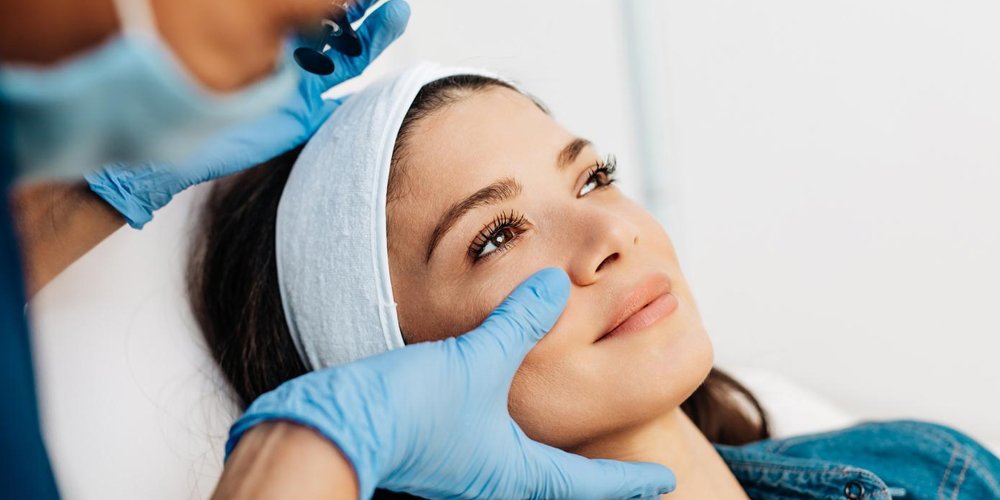
The Hidden Side of Facelift Recovery in Palo Alto That Nobody Talks About


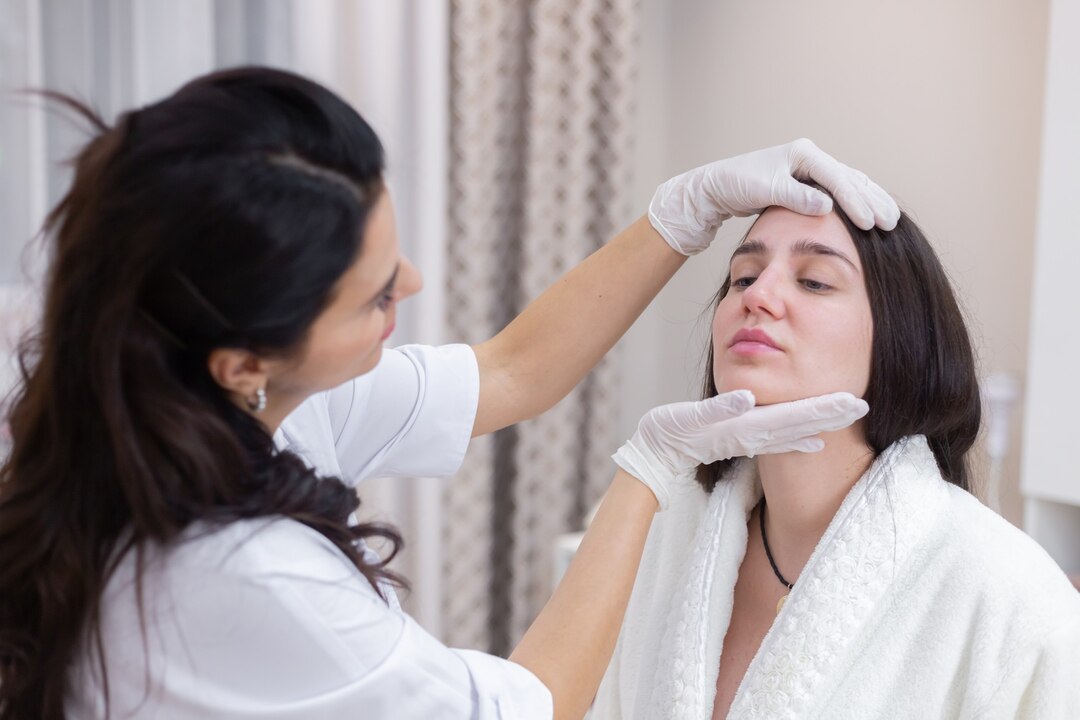
“Most facelift patients prepare for surgery. Very few prepare for recovery.”
A facelift can refresh appearance, restore confidence, and help patients feel more aligned with how they see themselves. Yet many people are caught off guard by what happens after they leave the surgical center. The reality is that recovery often becomes the most physically and emotionally demanding part of the entire experience.
In Palo Alto, where cosmetic procedures continue to rise among professionals, entrepreneurs, and active adults, post-operative recovery support is becoming increasingly important. Patients are not only looking for medical success. They are searching for comfort, privacy, emotional reassurance, and dependable help during vulnerable moments after surgery.
The first few days after a facelift can feel surprisingly isolating. Swelling changes facial appearance temporarily. Sleeping becomes difficult. Daily tasks suddenly feel exhausting. Even confident patients may feel anxious when they see bruising, tightness, or discomfort for the first time.
That is why thoughtful post-operative care matters.
Crabstar Care provides personalized recovery support for facelift patients in Palo Alto through Joanna, who independently handles every aspect of care herself. Rather than operating through a large agency structure with rotating caregivers, Joanna offers calm, one-on-one support focused entirely on helping patients recover comfortably at home.
Why Facelift Recovery Feels More Intense Than Expected
Many patients assume facelift recovery simply involves resting for a few days until bruising fades. In reality, healing affects far more than physical appearance.
During the early recovery stage, patients often experience:
- Facial tightness
- Swelling fluctuations
- Interrupted sleep
- Limited mobility
- Medication fatigue
- Temporary emotional sensitivity
- Anxiety about healing progress
- Frustration from reduced independence
The emotional side surprises many people the most.
Unlike other surgeries that remain private under clothing, facelift recovery is visible every time patients look in the mirror. Temporary swelling and bruising may create emotional discomfort even when healing is progressing normally.
This can make reassurance and calm support incredibly valuable during recovery.
The Emotional Side of Cosmetic Surgery Recovery
One topic rarely discussed openly is the emotional adjustment that follows cosmetic procedures.
Patients may spend months preparing financially and mentally for surgery, expecting to feel immediately excited afterward. Instead, the first week may involve exhaustion, uncertainty, and temporary self-consciousness.
This does not mean something is wrong.
Healing often comes with emotional highs and lows because the body is under stress while appearance changes daily during recovery.
Some patients feel overwhelmed by questions such as the following:
- “Is this swelling normal?”
- “Why do I look uneven right now?”
- “Am I healing correctly?”
- “When will I start looking normal again?”
Having someone present who understands recovery routines and provides reassurance can make a major difference in helping patients stay calm and focused on healing.
What Patients Struggle With Most After Surgery
The First Night Home
The transition from surgical facility to home is often harder than expected. Patients may feel groggy, uncomfortable, disoriented, or physically weak.
Simple things suddenly become difficult:
- Standing comfortably
- Adjusting pillows
- Drinking enough water
- Preparing food
- Tracking medications
- Walking steadily
For patients recovering alone, these small challenges quickly become exhausting.
Sleep Deprivation
Many facelift patients are instructed to sleep upright or with head elevation to help reduce swelling.
Unfortunately, this often leads to poor sleep quality during the first several nights. Fatigue can then intensify emotional stress and physical discomfort.
Fear of Damaging Results
Patients become extremely protective of their healing face after surgery. Many worry about accidentally touching incision areas incorrectly, sleeping in the wrong position, or increasing swelling through movement.
This fear can create tension and anxiety throughout recovery.
Why Privacy Matters During Healing
Many facelift patients intentionally keep their procedure private from coworkers, extended family, neighbors, or social circles.
For professionals in Palo Alto, appearance recovery often becomes highly personal. Patients may not want frequent visitors, multiple caregivers, or unnecessary attention while healing.
That is why smaller, more individualized care often feels more comfortable than larger agency-style services.
Crabstar Care offers a quieter and more discreet recovery experience because Joanna personally handles care herself. Patients are able to recover with greater consistency, familiarity, and comfort without constantly adjusting to different caregivers entering the home.
For many individuals, this personal approach feels emotionally safer during such a vulnerable time.
The Difference Between Medical Clearance and Real Recovery
One of the biggest misconceptions about facelift surgery is assuming recovery ends once the surgeon says healing is progressing normally.
Medical clearance does not always mean patients feel physically or emotionally back to normal.
Many patients continue dealing with:
- Fatigue
- Tenderness
- Sleep disruption
- Swelling changes
- Emotional sensitivity
- Reduced confidence going out publicly
True recovery often involves rebuilding comfort, routine, and confidence gradually over time.
This is where compassionate post-operative support becomes meaningful beyond basic assistance.
How Personalized Recovery Support Helps
Recovery support is not simply about helping someone move around the house.
For facelift patients, personalized care may help reduce physical strain while also creating a calmer healing environment.
Joanna’s individualized approach through Crabstar Care may assist patients with the following:
- Safe mobility during early recovery
- Medication reminders
- Hydration support
- Light meal assistance
- Recovery positioning
- Emotional reassurance
- Comfort-focused daily routines
- Observation during vulnerable early healing days
Because care is one-on-one, patients receive direct attention without feeling rushed, overlooked, or passed between multiple caregivers.
Why One-on-One Care Feels Different
Many post-operative services operate through larger staffing systems where caregivers rotate frequently depending on scheduling.
While this structure works for some situations, facelift recovery often feels deeply personal.
Patients recovering from cosmetic surgery usually value the following:
- Familiarity
- Calm communication
- Emotional comfort
- Privacy
- Consistency
- Predictable support
Knowing the same trusted person is helping throughout recovery often reduces anxiety and helps patients feel more relaxed in their own home.
Recovery Mistakes Patients Commonly Make
Trying to Resume Normal Life Too Quickly
Many patients underestimate how much rest the body actually needs after surgery.
Overexertion may increase swelling and delay comfort.
Isolating Completely
Some patients avoid asking for help because they believe recovery should be manageable alone. However, isolation often increases stress and emotional fatigue during healing.
Ignoring Hydration and Nutrition
The body heals more effectively with proper hydration, balanced meals, and consistent rest.
Overanalyzing Every Change
Healing naturally fluctuates. Swelling and bruising may appear uneven before improving gradually over time.
Healing Beautifully Starts With the Right Support
Facelift recovery is not simply a cosmetic process. It is a physical, emotional, and deeply personal experience that requires patience, rest, and proper support.
While surgical skill plays an important role in results, the healing environment afterward can greatly shape how comfortable and supported patients feel throughout recovery.
Crabstar Care offers personalized post-operative assistance in Palo Alto through Joanna’s dedicated one-on-one approach. By personally handling every aspect of care herself, she provides a quieter and more individualized recovery experience for patients who value comfort, privacy, and compassionate support during healing.
For individuals preparing for facelift surgery, having dependable post-operative care may be one of the most important decisions made after the procedure itself.
Frequently Asked Questions (FAQs)
- How painful is facelift recovery?
Most patients describe facelift recovery as more uncomfortable than severely painful. Tightness, swelling, and soreness are more common than extreme pain. - How long should someone stay with me after facelift surgery?
Many patients benefit from support during at least the first few days after surgery, especially overnight or during early mobility. - Is emotional stress normal after cosmetic surgery?
Yes. Temporary emotional ups and downs are common during recovery due to swelling, fatigue, limited activity, and healing changes. - Why does swelling look worse some days?
Swelling naturally fluctuates during recovery depending on sleep, activity levels, hydration, and healing progression. - Can post-operative care improve recovery comfort?
Supportive care may help patients feel safer, calmer, and less physically overwhelmed during the healing process. - Why do some patients prefer one caregiver instead of an agency team?
Many facelift patients value privacy, consistency, and familiarity during recovery, which often feels easier with individualized care.