What Happens After Knee Replacement Matters More Than the Surgery Itself?


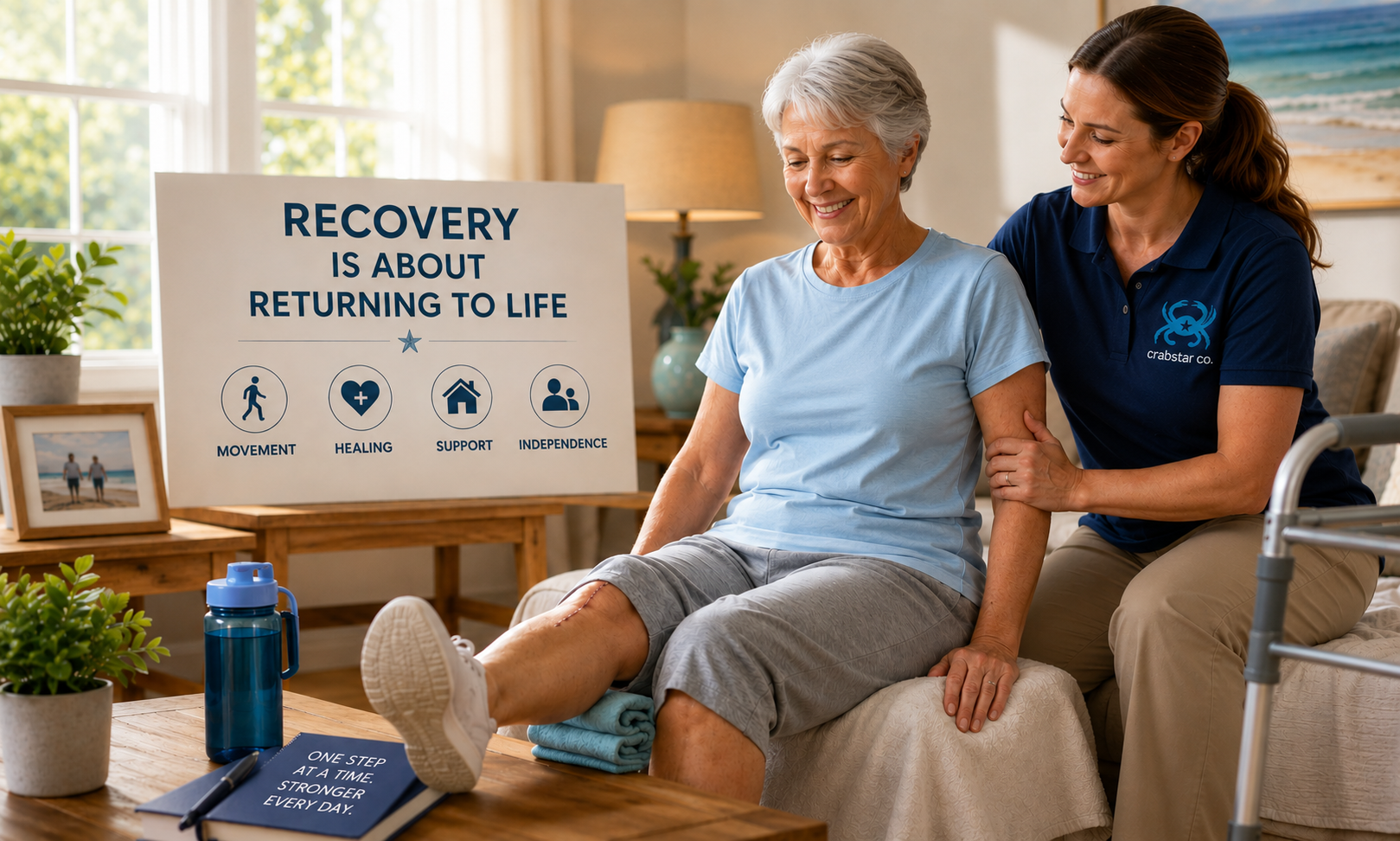
Every year, thousands of people choose post-knee replacement surgery with one goal in mind. They want to walk with less pain and enjoy a more active life. The operation itself is only one part of that journey. Orthopedic specialists often point out that the real outcome depends on what happens after the patient returns home. Many recoveries slow down not because the surgery failed, but because daily routines, movement, nutrition, and proper support are overlooked during the weeks that follow.
A successful recovery is built through small actions repeated every day. Understanding what truly matters after surgery helps patients regain independence with greater confidence.
Why Surgery is Only the Beginning
Knee replacement surgery repairs a damaged joint, but it does not instantly restore strength, flexibility, or confidence.
Once patients leave the hospital, they begin a completely different stage of recovery. This period involves learning how to move safely, adapting to temporary limitations, rebuilding muscle strength, and preventing unnecessary setbacks.
Many people assume healing simply happens with time. In reality, recovery improves when patients actively participate in the process while receiving appropriate support.
This is where post-knee replacement care becomes essential. It bridges the gap between hospital treatment and returning to everyday life.
The Recovery Phase That People Often Underestimate
The first few weeks are filled with unexpected adjustments.
Simple tasks suddenly require planning.
Getting dressed takes longer.
Preparing breakfast feels exhausting.
Walking across the room becomes a daily achievement.
Even sleeping comfortably can be difficult.
These experiences are completely normal, yet many patients are surprised by how much energy routine activities require.
Recovery is not measured by dramatic improvements each day. Instead, it is built through consistent progress over several weeks.
Small Daily Decisions That Influence Healing
Many people focus only on physical therapy, but recovery is shaped by dozens of small habits.
Movement Matters More Than Speed
Walking slowly every day often contributes more to recovery than trying to do too much too soon.
Safe movement improves circulation, reduces stiffness, and gradually restores mobility.
Nutrition Supports Tissue Repair
Healing joints require adequate protein, vitamins, hydration, and balanced meals.
Skipping meals or relying on convenience foods may reduce the body’s ability to recover efficiently.
Rest Is Productive
Many patients feel guilty about resting.
However, sleep is when much of the body’s repair process occurs. Recovery is not only about activity. It is also about allowing the body enough time to rebuild.
The Home Environment Plays a Bigger Role Than Expected
Recovery does not happen inside a hospital.
It happens in hallways, kitchens, bathrooms, bedrooms, and living rooms.
A well prepared home reduces unnecessary risks.
Helpful adjustments include
- Keeping pathways free of clutter
- Using chairs with sturdy armrests
- Placing commonly used items within easy reach
- Wearing supportive footwear indoors
- Ensuring good lighting throughout the home
These simple changes help patients move with greater confidence while lowering the risk of falls.
Emotional Recovery Deserves Equal Attention
One part of post-knee replacement care rarely receives enough attention.
Mental well-being.
Many patients become frustrated when recovery feels slower than expected.
Some worry they are not progressing fast enough.
Others become anxious about climbing stairs, leaving the house, or returning to normal routines.
Encouragement, companionship, and having someone nearby often make a meaningful difference. Recovery becomes less overwhelming when patients know they do not have to manage every challenge alone.
Independence Does Not Mean Doing Everything Alone
One common misconception is that accepting help delays independence.
The opposite is often true.
Having assistance with meals, transportation, medication reminders, or household tasks allows patients to focus their energy where it matters most.
Instead of becoming exhausted by routine responsibilities, they can dedicate more effort toward rehabilitation and healing.
Support should never replace independence.
It should protect it.
How Crabstar Care Helps During Recovery
Every recovery experience is personal.
At Crabstar Care, Joanna personally provides compassionate one-on-one assistance for individuals recovering at home after surgery. Clients receive consistent care from the same caregiver rather than different people on different days.
Support focuses on making everyday life easier through services such as
- Assistance with daily routines
- Safe mobility support
- Meal preparation
- Medication reminders
- Light housekeeping
- Transportation assistance
- Friendly companionship during recovery
Because Joanna personally looks after every client, patients experience continuity and familiarity throughout their healing journey.
Recovery is About Returning to Life
People often define success after knee replacement as walking without pain.
True recovery goes much further.
- It means comfortably making breakfast.
- Shopping independently.
- Visiting family.
- Taking morning walks.
- Enjoying hobbies again.
- Playing with grandchildren.
- Feeling confident enough to move without constant worry.
Those everyday moments represent the real purpose behind recovery.
Making Life After Knee Replacement More Comfortable
Knee replacement surgery creates new possibilities, but lasting results are shaped by everything that happens afterward. Thoughtful post-knee replacement care encourages safer movement, healthier routines, greater confidence, and a smoother return to everyday life. For individuals recovering from other orthopedic procedures, post-hip-surgery nursing care also offers valuable support that promotes comfort, mobility, and independence throughout rehabilitation.
Call to Action
Recovery should never feel like a journey taken alone. Crabstar Care provides compassionate one-on-one support from Joanna, helping individuals recover safely at home while focusing on comfort, confidence, and everyday independence.
Frequently Asked Questions (FAQs)
1. Why is recovery after knee replacement often harder than expected?
Most people regain a new joint through surgery, but rebuilding strength, balance, and daily confidence takes weeks or months. The recovery process requires consistent effort beyond the operation itself.
2. What are the biggest mistakes people make after knee replacement surgery?
Common mistakes include avoiding movement because of pain, skipping physical therapy exercises, overdoing activities too early, ignoring proper nutrition, and not asking for help when needed.
3. How can someone make recovery at home easier?
Preparing the home, following medical instructions, staying active within recommended limits, eating nutritious meals, and receiving support with daily activities all contribute to a smoother recovery.
4. Is walking every day important after knee replacement?
Yes. Walking improves circulation, reduces stiffness, strengthens muscles, and supports better joint function when performed according to a healthcare provider’s recommendations.
5. Why do some people recover faster than others?
Recovery depends on several factors, including overall health, commitment to rehabilitation, age, muscle strength before surgery, nutrition, and having consistent support during healing.
6. When should someone consider home care after knee replacement?
Home care is beneficial when daily tasks become difficult, mobility is limited, family members cannot provide regular assistance, or additional support helps patients recover more safely and comfortably.