What Every Woman Must Know About Female Feminization Surgery?


Female feminization surgery is more than just cosmetic; it is transformative, often affecting both how a woman feels about herself and how she interacts with the world. Many women are drawn to these procedures because their facial features feel incongruent with their gender identity or aesthetic goals. Despite its growing popularity, misinformation and scattered online advice leave many patients unprepared for surgery, recovery, and long-term results.
At Crabstar Care, Joanna personally guides each woman through the process. Unlike large clinics, she handles every step herself, ensuring individualized attention, clear instructions, and personal support. Whether you are curious about what procedures involve or how to care for yourself after surgery, this article provides a detailed roadmap to help you make informed decisions and feel confident throughout your journey.
What is Female Feminization Surgery
Female feminization surgery (FFS) is a suite of elective surgical procedures designed to reshape or refine facial features to align more closely with traditionally feminine aesthetics. It is not about following a universal standard of beauty but about helping each woman feel authentic in her appearance. FFS can address a wide range of areas, including the forehead, jawline, chin, cheeks, and nose, and the procedures can be performed individually or in combination, depending on the patient’s goals.
A key component of successful FFS is facial harmony. The human brain is highly sensitive to symmetry and proportion, and even subtle adjustments can create a significant difference in perceived femininity. This attention to detail is why professional guidance and meticulous planning are essential before surgery.
Why Women Choose Feminization Procedures?
Women seek feminization surgery for multiple reasons:
- Facial features may appear overly angular or “masculine,” causing discomfort in social or professional settings.
- Past trauma or dysphoria can amplify dissatisfaction with one’s appearance.
- Personal aesthetic goals may include softer contours, lifted cheeks, or a balanced jawline.
- Emotional well-being often improves when external features align with internal identity.
Many women experience frustration with scattered online information or generic advice. They may feel overwhelmed by technical terms or uncertain about realistic outcomes. Clear guidance, preparation, and support are critical for making sure that expectations match achievable results.
Common Feminization Procedures Explained
Women often choose multiple procedures to achieve comprehensive results. Common feminization surgeries include:
- Jawline contouring: softens angular or square jawlines for a delicate, feminine lower face.
- Chin Refinement – Reduces a prominent or broad chin to create balanced proportions.
- Cheek Augmentation – Adds volume and lift to cheeks, enhancing youthful contours.
- Forehead Reshaping – Smooths and contours the brow for softer, rounded lines.
- Feminization Rhinoplasty – Adjusts the nose to harmonize with other facial features, often reducing width or refining the tip.
- Lip Enhancement – Some patients opt for subtle lip adjustments to complement facial balance.
These procedures are tailored to each patient, ensuring results that look natural, cohesive, and reflective of individual goals.
Understanding Emotional and Physical Benefits
Beyond aesthetic improvements, feminization surgery can have profound psychological effects:
- Patients often experience an increase in self-confidence and comfort in their daily interactions.
- Greater alignment between appearance and identity can reduce dysphoria or self-consciousness.
- Patients often report a positive impact on their social and professional lives, as they often report feeling more at ease in public settings.
Research highlights that body-image alignment contributes to higher self-esteem and long-term emotional well-being. This makes careful planning and realistic expectation setting critical before undergoing any procedures.
Preparing for Surgery: What You Must Know
Preparation is crucial for smooth surgery and recovery. Before your procedure, Joanna and your surgeon will review the following:
- The review will include your medical history and current health conditions.
- Joanna and your surgeon will also discuss detailed aesthetic goals and realistic expectations for the outcome.
- Preoperative instructions should include details about medication adjustments, fasting requirements, and transportation arrangements.
- Creating a comfortable recovery environment at home is crucial to ensure rest, nutrition, and limited activity during the healing process.
Being fully prepared reduces stress on the day of surgery and helps patients feel confident in their recovery process.
What Happens During Surgery?
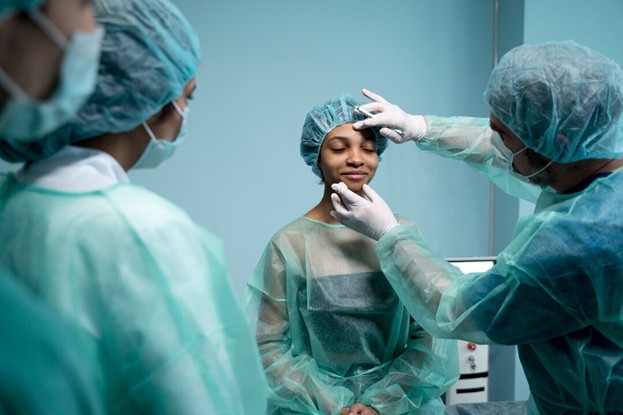
On surgery day, patients arrive at an accredited facility and meet their surgical team. Under anesthesia, the surgeon performs the planned procedures with precise attention to symmetry and proportion.
- Surgery duration depends on the number and complexity of procedures.
- Surgeons focus on creating natural, balanced results rather than exaggerated changes.
- Clear communication between patient and surgeon before and during surgery helps reduce anxiety and ensures expectations are met.
Postoperative Healing and Care Essentials
Postoperative care is critical to achieving optimal results. Healing involves several stages:
- Immediate Recovery – Swelling, bruising, and mild discomfort are normal. Rest, elevation, and cold compresses help control symptoms.
- Weeks 1–4 – Pain typically decreases, but patients must follow strict activity restrictions, maintain hydration, and eat nutritious foods.
- Weeks 4–6 – Swelling continues to subside, and patients gradually resume normal activities with guidance.
- Months 3–6 – Final results become more visible as tissues settle and scars fade.
Consistent adherence to recovery instructions prevents complications and ensures the face heals symmetrically and naturally. Joanna provides detailed guidance at every step, reducing uncertainty and enhancing confidence.
How Crabstar Care Supports You Personally
Crabstar Care offers a uniquely personal experience. Joanna manages every aspect of patient support for herself:
- She provides clear explanations of procedures and realistic recovery timelines.
- She answers questions and addresses concerns personally, without delegation or generic automated instructions.
- She offers emotional support, helping patients manage anxiety, swelling, and uncertainty during recovery.
This personalized approach distinguishes Crabstar Care from larger clinics, giving patients reassurance and clarity throughout the journey.
Your Recovery Deserves Personal Care and Expert Guidance
When patients receive full information, preparation, and support, female feminization surgery can transform their lives. By understanding procedures, setting realistic expectations, and committing to thorough postoperative care, women can achieve natural, balanced, and empowering results. Crabstar Care offers individualized guidance and expert support to ensure safe recovery and long-lasting satisfaction.
So, if you are considering feminization surgery, schedule a consultation with Joanna at Crabstar Care today. Learn more about our postoperative care for facelifts and related services to recover confidently and beautifully. Contact Joanna at Crabstar Care for personalized guidance and support throughout your feminization surgery journey.
Frequently Asked Questions (FAQs)
- What is the best age for female feminization surgery?
There is no strict age requirement. Most surgeons recommend being physically healthy and emotionally prepared. - How long does recovery take?
Initial recovery is 4–6 weeks. Full healing and final results may take 3–6 months. - Will surgery leave visible scars?
Scars are minimized through careful incision placement and typically fade over time. - Can multiple procedures be performed at the same time?
Yes, depending on patient’s health and goals, multiple procedures may be safely combined. - How can I reduce swelling after surgery?
Rest, hydration, cold compresses, and following postoperative instructions help manage swelling. - Will surgery change how I look in photos and daily life?
Yes, most women notice more balanced features and feel more confident in interactions and photographs.