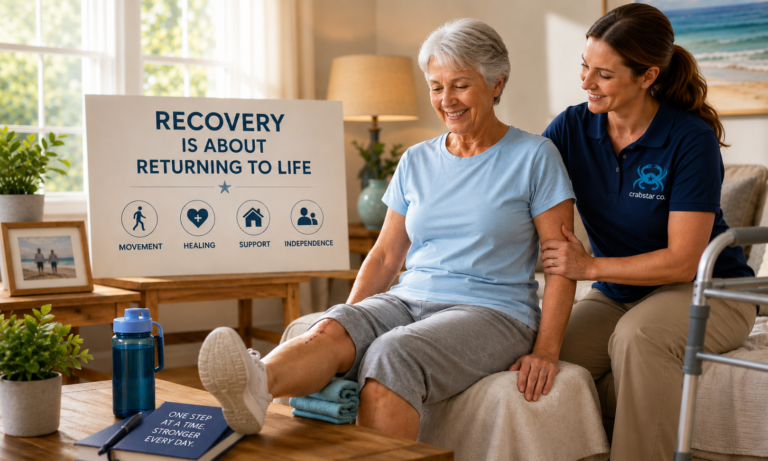
Why Post Hip Surgery Nursing Care Makes All the Difference in Recovery?


Recovery after hip surgery is one of the most challenging times in a person’s life. Millions of people face pain, limited mobility, and uncertainty once they leave the hospital, yet many are left wondering how they will manage their daily activities alone at home. Without proper support and guidance, common issues like infection, mobility setbacks, pain flare‑ups, and even dangerous falls can slow recovery or lead to readmission. A strong post hip surgery nursing care plan is not a luxury, its absence can be a serious risk.
What is Post Hip Surgery Care?
Post hip surgery nursing care refers to the ongoing care a patient needs once they leave the hospital setting and begin healing at home. This care supports pain management, wound care, mobility training, medication adherence, and the prevention of complications that can occur during the first crucial weeks and months after surgery. Professional care helps patients transition from medical supervision into independent daily living with confidence and safety. (Advantage Care Rehabilitation LLC)
Why Dedicated Nursing Care Matters?
When a patient goes home after hip surgery, the body still needs attentive guidance to heal well. Nurses and trained caregivers are skilled in monitoring signs of infection, managing medications, assisting with movement, and responding instantly to changes in condition or comfort. Without this support, risks like delayed recovery, infection, blood clots or falls increase. Home care also brings emotional support and education for patients and families, reinforcing safe routines for everyday life.
Essential Care Tasks After Hip Surgery
Here are the key areas that post‑surgery nursing care focuses on:
- Pain and Medication Management
Taking the right pain medicine on time helps patients stay comfortable enough to participate in gentle movement and avoid complications. Nurses also watch for side effects and ensure medications like blood thinners are taken correctly to prevent clots. - Wound and Incision Monitoring
Proper care of the surgical site is crucial. Signs of infection like redness, swelling, drainage, or warmth must be checked daily. Clean wound care helps prevent complications and supports healing. - Vital Sign Monitoring
Blood pressure, heart rate, temperature, and oxygen levels provide early warnings if something is amiss. Regular checks help catch issues early when they are easier to treat. - Safe Mobility and Exercise
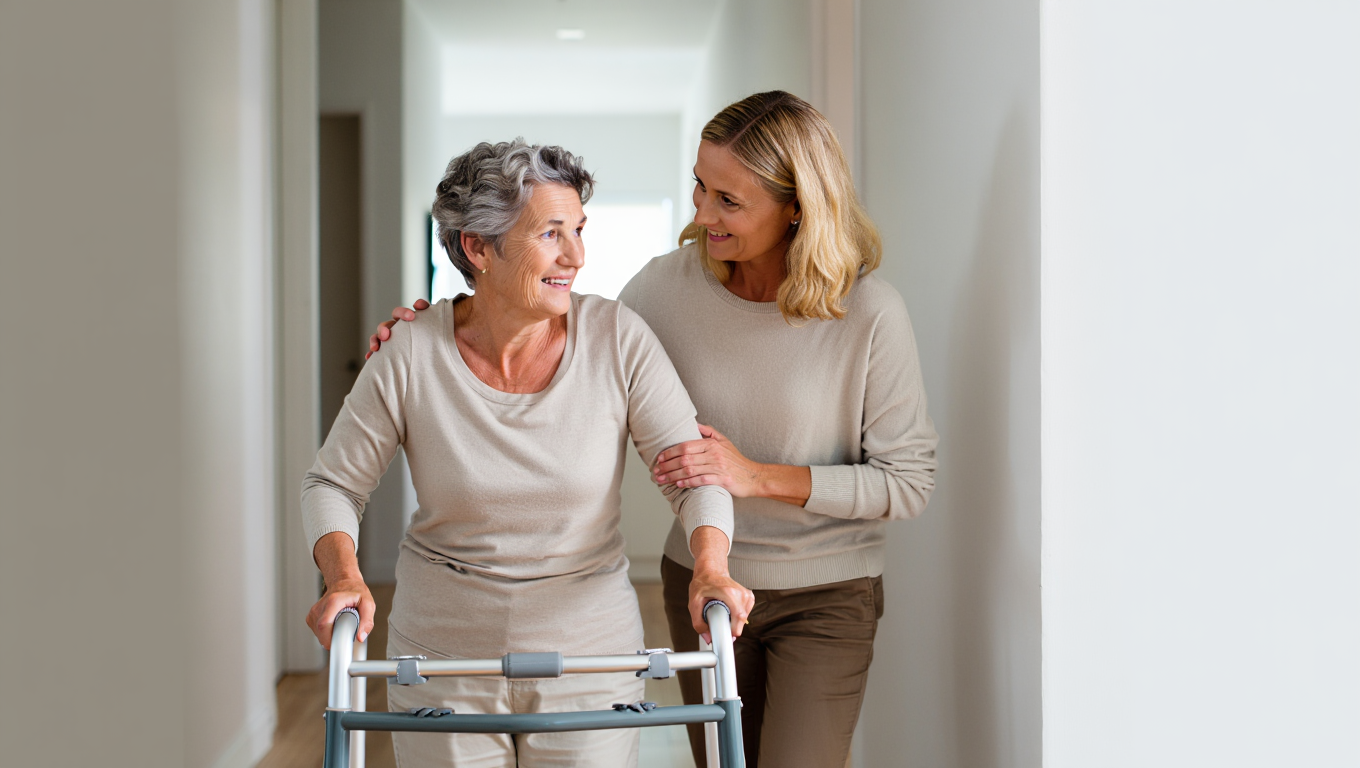
Gentle movement and guidance on using walkers, canes, or mobility aids help rebuild strength. Encouragement and supervision make everyday tasks safer. Physical therapy exercises help regain flexibility and stability over time. - Nutrition and Hydration
A balanced diet rich in protein, vitamins, and fluids supports tissue repair and energy levels. Nurses remind patients to stay hydrated and eat foods that promote healing.
Preparing Your Home for Recovery
Setting up a safe and comfortable home environment before surgery can make the first weeks easier.
- Place commonly used items within easy reach to avoid bending or twisting.
- Remove loose rugs and clutter to prevent trips and falls.
- Consider installing grab bars in bathrooms and using a raised toilet seat.
- Ensure proper lighting in all rooms to reduce fall risk.
These changes lower stress during recovery and help you focus on healing rather than navigating hazards.
Common Complications and What to Watch For
Even with the best care, it is important to recognize when something might be wrong. Contact your healthcare provider if you notice:
- Fever, chills, or increasing warmth around the incision
- Sudden or worsening pain beyond expected post‑surgery discomfort
- Signs of a blood clot such as leg swelling or calf pain
- Trouble breathing or chest discomfort
How Joanna at Crabstar Care Supports You Personally
Unlike large agencies with staff rotations, Joanna personally handles every aspect of care. That means consistent support tailored to your individual pace of recovery. Joanna works with you one‑on‑one helping with your daily routines, monitoring your healing progress, reminding you about medications and exercises and ensuring your home feels safe and comfortable as you regain independence. Her hands-on care provides peace of mind and stability for patients living alone or without regular support.
Helping You Heal Comfortably at Home
Recovering from hip surgery does not have to be overwhelming. With the right care, guidance, and support every day, you can heal with confidence, reduce risks, and regain independence faster. Joanna at Crabstar Care offers compassionate and personalized care according to your unique pace of recovery.
So, if you want professional help to make your recovery easier and safer, reach out today and explore how personal care assistant services can support your healing journey. Contact Crabstar Care to learn more or schedule dedicated care tailored to your needs.
People Also Ask
- How long will I need nursing care after hip surgery?
Most people benefit from dedicated support for at least the first one to three weeks. The exact time depends on your personal recovery progress and your surgeon’s recommendations. - When can I walk normally after hip surgery?
Walking gradually with supporting devices often begins within a few days, with more independent movement expected by six to twelve weeks based on your recovery. - What equipment do I need after hip surgery?
Assistive devices such as walkers, crutches, raised toilet seats, shower chairs, and reach tools help you move safely and perform daily tasks without strain. - What does nursing care include after hip surgery?
It includes wound monitoring, medication guidance, mobility assistance, personal hygiene support, and nutritional help among other daily care needs. - When should I call a doctor after hip surgery?
Call your medical team if you experience signs of infection, severe pain, unusual swelling, difficulty breathing, or any symptoms that feel abnormal or worsening. - Can I hire care just occasionally?
Yes but consistent nursing care especially in the first weeks can significantly improve recovery and safety.